


Traditional high-risk processing for iGaming operators runs 4–8% all-in, with 5–15% rolling reserves locked for six to twelve months (source: PayBito). Those numbers aren't a pricing problem. They're a working-capital problem that shapes affiliate payouts, bonus funding, withdrawal liquidity, and marketing spend.
Licensed iGaming payment solutions reduce that exposure by replacing opaque high-risk merchant accounts with regulated crypto payment infrastructure that eliminates chargebacks, removes rolling reserves, and settles in minutes instead of days. Licensing here is an operational risk filter, not a marketing badge. If the provider can't show entity authorization, documented AML and KYT controls, and supervisory channels, they shouldn't clear procurement.
This guide gives CFOs and finance ops leads a decision framework: true cost of high-risk processing, licensing verification, the four-layer compliance stack, stablecoin settlement mechanics, and blockchain network selection. B2BINPAY appears as the regulated reference point throughout.
Key Takeaways
- Licensed iGaming payment solutions can help operators reduce exposure to rolling reserves, account freezes, and hidden cash flow pressure.
- Licensing status is a primary compliance checkpoint, as unlicensed infrastructure introduces regulatory and banking risk.
- Effective solutions must support a four-layer compliance model: universal, license-specific, jurisdictional, and PSP-imposed controls.
- Stablecoin-based settlement removes chargeback risk, shortens settlement cycles, and lowers processing costs.
- Network selection (TRON, Ethereum, Solana) depends on cost, compliance positioning, and settlement speed priorities.
The Real Cost of High-Risk Merchant Accounts for iGaming Operators
A high-risk merchant account is priced and underwritten for industries with elevated fraud and chargeback exposure. For iGaming, the true cost extends beyond MDR to include reserves, PCI fees, monthly minimums, and dispute penalties.
On $1M in monthly deposits, a 3% MDR plus a 10% rolling reserve ties up $100,000 for months — before chargebacks or penalties.
Rolling Reserves: The Hidden Cash Flow Problem
Rolling reserves typically run 5–15% of processed volume held for six to twelve months. That’s effectively an interest-free loan to the processor.
For iGaming operators, this directly impacts:
- Bonus funding
- Affiliate payouts
- Withdrawal liquidity
- Marketing spend
Chargeback Rates in iGaming vs. Standard E-Commerce
iGaming chargeback rates reach 2–5%, compared to ~0.1% in standard e-commerce. Each chargeback creates:
- Lost revenue
- Dispute fees
- Increased termination risk
Why Licensing Status Is the First Thing iGaming CFOs Should Verify
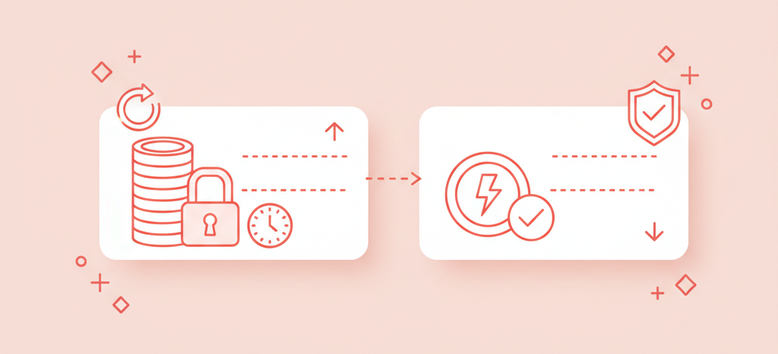
Before evaluating features or pricing, confirm regulatory status. Licensing reduces audit risk, banking friction, and regulatory exposure.
Relevant frameworks include:
- MiCA (EU)
- DFAL (Central Asia)
- CNAD (El Salvador)
Gaming regulators (UKGC, MGA, etc.) increasingly expect payment partners to meet comparable compliance standards.
What a Licensed Crypto Payment Provider Covers
A licensed provider should offer:
- Verifiable regulatory authorization
- AML and KYT controls
- Documented onboarding procedures
- Transaction monitoring and reporting
- Supervisory and complaint channels
How Unlicensed Infrastructure Creates Compliance Risk
Unlicensed providers create:
- Banking instability
- Audit friction
- Increased regulatory scrutiny
These risks compound over time, especially during license renewals.
The Four-Layer Compliance Stack iGaming Operators Must Satisfy
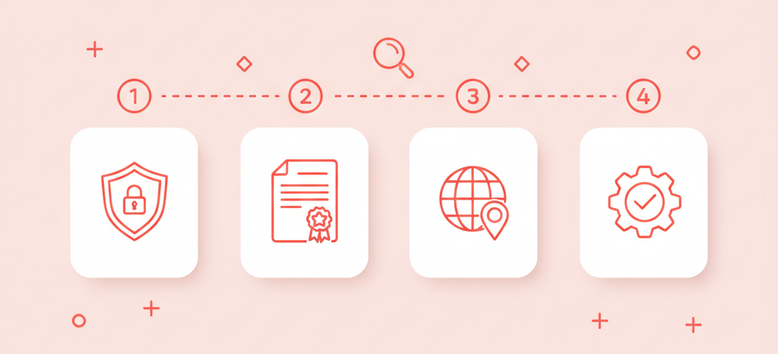
Operators must manage four simultaneous layers:
- Universal controls — PCI DSS, encryption, fraud monitoring
- License-specific rules — UKGC/MGA requirements (deposit limits, affordability checks)
- Jurisdictional rules — local player protection requirements
- PSP-imposed controls — provider-specific restrictions
Crypto-native flows add a fifth layer: KYT screening of wallet risk.
How Stablecoin Settlement Eliminates Chargebacks and Reduces Costs
Stablecoin settlement uses USDT, USDC, or similar assets to process deposits and payouts on-chain.
Benefits:
- No chargebacks (irreversible transactions)
- 24/7 settlement
- Faster access to funds
- Lower processing costs
Stablecoins now represent a major share of global payment volume, reflecting real treasury usage rather than speculation.
Trade-offs include:
- Need for KYT screening
- Treasury management considerations
- Fiat conversion timing
Licensed providers handle these through automation and compliance tooling.
Choosing a Blockchain Network for iGaming Payment Flows
Network selection should align with operational needs:
[[aa-cta]]
Cut Processing Costs and Free Working Capital
Licensed crypto payment infrastructure with no rolling reserve and built-in KYT compliance.
[[/a]]
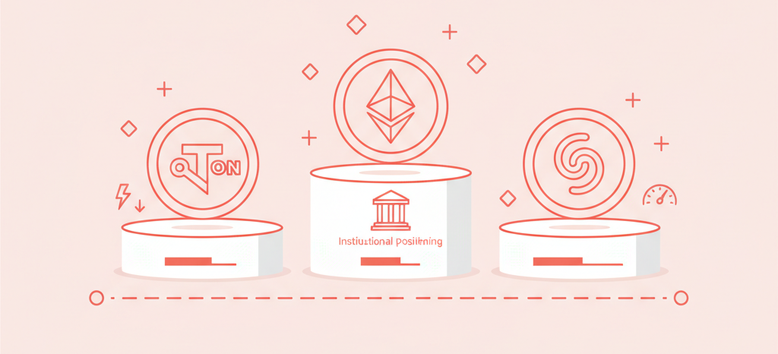
TRON: Low-Cost, High-Volume Deposits
- Sub-cent transaction fees
- High throughput
- Strong USDT liquidity
- Best for frequent small deposits
Ethereum: Compliance and Institutional Positioning
- Strong regulatory perception
- Broad ecosystem support
- Higher fees
- Best for treasury and regulated flows
Solana: Speed for Real-Time Gaming
- Near-instant settlement
- Ideal for live betting environments
- Requires evaluation of network stability
How Licensed Infrastructure Reduces Risk
B2BINPAY addresses key operator pain points:
- Flat fees (~0.5%)
- 0% rolling reserve
- Fiat settlement via SEPA/SWIFT
- Built-in AML and KYT
This combination aligns with:
- Compliance requirements
- Cash flow predictability
- Operational scalability
Licensed iGaming Payment Solutions Are a Risk Decision
Licensed solutions protect:
- Margin — no 4–8% card fees
- Cash flow — no reserve lockups
- Compliance posture — regulator-aligned
- Operational continuity — reduced freeze risk
Operators should:
- Verify licensing
- Evaluate full compliance stack
- Model total cost on real volume
[[aa-cta-blue]]
Get Started With Regulated iGaming Payment Infrastructure
Zero rolling reserve. Built-in KYT. SEPA/SWIFT settlement.
[[/a]]
Frequently Asked Questions about iGaming Payment Solutions
What are iGaming payment solutions?
They are payment systems designed for gaming deposits and withdrawals, incorporating compliance controls like KYC, deposit limits, and transaction monitoring.
How do gambling payment processors differ from standard accounts?
They are priced as high-risk, with higher fees (2.5–5%+) and higher chargeback rates (2–5%), leading to stricter reserves and monitoring.
What compliance requirements apply?
A four-layer model including:
- PCI DSS and security controls
- License rules (UKGC, MGA)
- Jurisdictional requirements
- PSP controls
Crypto adds KYT monitoring.
How do stablecoin payments reduce costs?
They eliminate chargebacks, rolling reserves, and settlement delays
Transactions settle in minutes at very low fees.
What should CFOs verify before choosing a provider?
- Licensing status
- KYT/KYC capabilities
- Reserve policy
- Settlement timing
- API integration fit
B2BINPAY is relevant because it combines regulated status, flat fees, zero reserves, and integrated compliance tooling.

.svg)


